
Blog

  • Digital Visibility System: 3 Reasons Businesses Stay Invisible (And How to Fix It)

    Digital Visibility System: 3 Reasons Businesses Stay Invisible (And How to Fix It)

    Digital visibility system is the real reason most businesses either get discovered or remain invisible in today’s digital landscape.

    They fail because they remain invisible.

    They publish content. They create offers. They show up online.

    Yet customers never find them.

    In 2026, visibility is no longer about posting more — it is about building a discoverability system.

    And most businesses never build one.

    This is why some brands appear everywhere,while others remain unknown no matter how hard they try.

    This guide explains why businesses stay invisible — and the exact visibility system that changes it.

    digital visibility system showing search authority and discoverability growth
    Digital visibility emerges when discovery, authority, and conversion integrate.

    The Real Reason Most Businesses Stay Invisible

    Most businesses today do not struggle because they lack effort, ideas, or marketing activity. They struggle because they operate without a visibility structure.

    Content is created. Campaigns are launched. Platforms are used. But none of these actions are connected into a discoverability system.

    As a result, businesses remain scattered across channels instead of becoming consistently findable.

    Visibility is not created by doing more marketing. Visibility is created when search presence, content authority, and positioning work together.

    Without this integration, even high-quality brands remain invisible to the people actively searching for them.

    In 2026, the competitive advantage is no longer who creates more content. It is who builds structured visibility.

    Why Marketing Alone Cannot Create Visibility
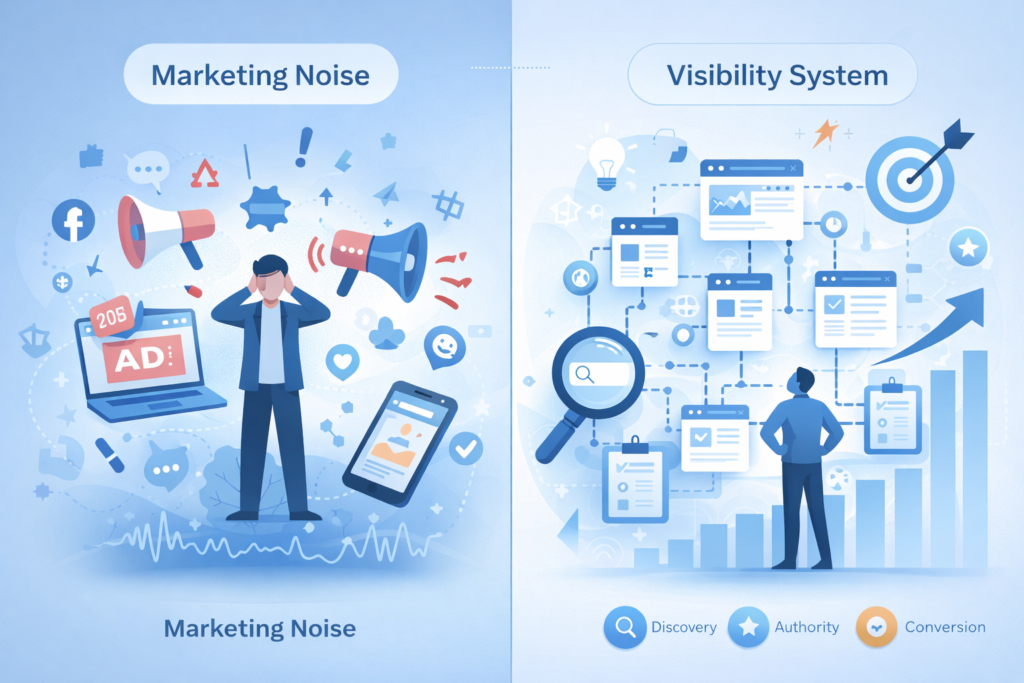
    marketing alone cannot create digital visibility without system
    Marketing creates activity. Systems create visibility.

    Marketing today is louder than ever. Brands post daily, run ads, share updates, and publish content across multiple platforms.

    Yet increased activity does not automatically create visibility.

    Marketing generates reach. But visibility requires sustained discoverability.

    A campaign may create temporary attention.A post may generate short-term engagement.But without structural search presence and authority signals, that attention fades quickly.

    This is why many businesses feel they are constantly “starting over” with every new campaign.

    Marketing works in bursts. Visibility works in continuity.

    When marketing operates without a supporting visibility system, results reset instead of compounding.

    In contrast, businesses that integrate marketing into a structured visibility framework experience cumulative growth — where each action strengthens long-term discoverability rather than replacing it.

    The 3 Layers of Digital Visibility
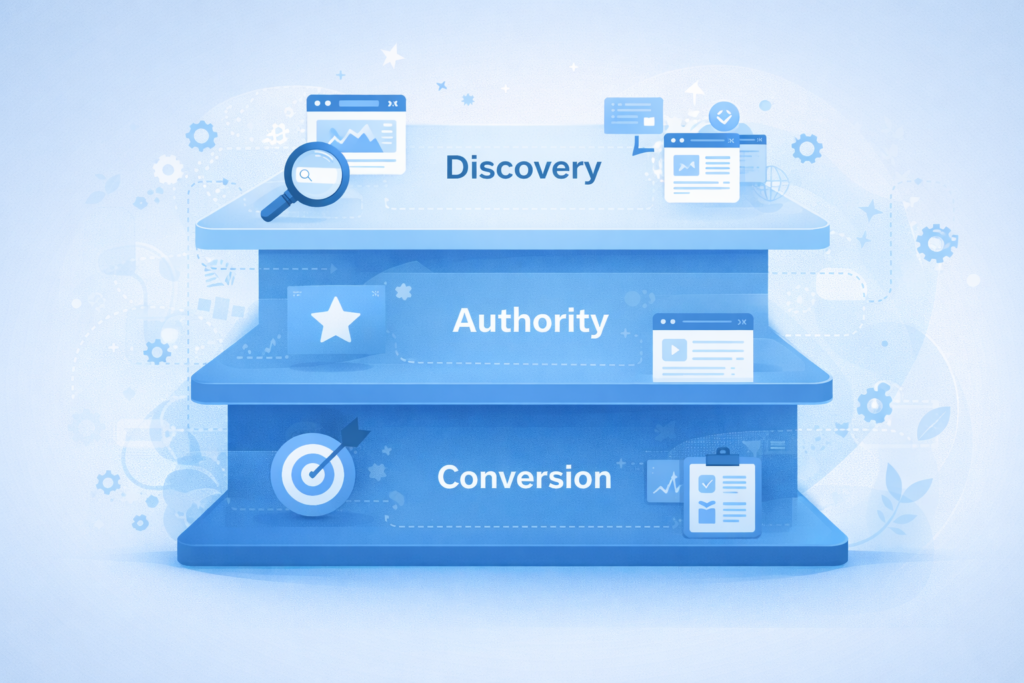
    three layers of digital visibility visibility authority conversion system
    The three integrated layers that turn content into sustainable digital visibility.

    Digital visibility is not created by a single channel. It emerges when multiple layers of presence reinforce each other.

    Most businesses operate in only one layer — usually social or advertising. But sustainable discoverability requires a structured combination of three distinct visibility layers.

    1. Search Visibility

    Search visibility determines whether a brand can be found when demand already exists.

    When people actively look for solutions, answers, or services, search-driven visibility places a brand directly in front of intent.

    This layer includes organic search presence, evergreen content, and topic authority.

    Search visibility compounds over time — each page, article, and keyword strengthens long-term discoverability.

    Without search visibility, brands remain dependent on continuous promotion to be seen.

    2.Authority visibility

    Authority visibility determines whether a brand is trusted once discovered.

    Modern audiences evaluate credibility quickly. They look for expertise signals, depth of knowledge, and consistency of positioning.

    Authority is built through structured content ecosystems, topical depth, and aligned messaging across channels.

    When authority visibility is strong, audiences perceive the brand as a reliable source rather than just another option.

    This layer transforms attention into trust.

    3. Conversion Visibility

    Conversion visibility determines whether attention becomes action.

    Even visible and trusted brands fail if pathways to engagement are unclear.

    Conversion visibility includes clear positioning, aligned offers, and frictionless next steps for the audience.

    It ensures that when discovery and trust occur, progression naturally follows.

    This layer transforms trust into measurable growth.

    True digital visibility appears only when all three layers operate together.

    Search creates discovery. Authority creates trust. Conversion creates action.

    When these layers integrate, visibility stops fluctuating and begins compounding — turning presence into predictable demand.

    What a True Visibility System Looks Like
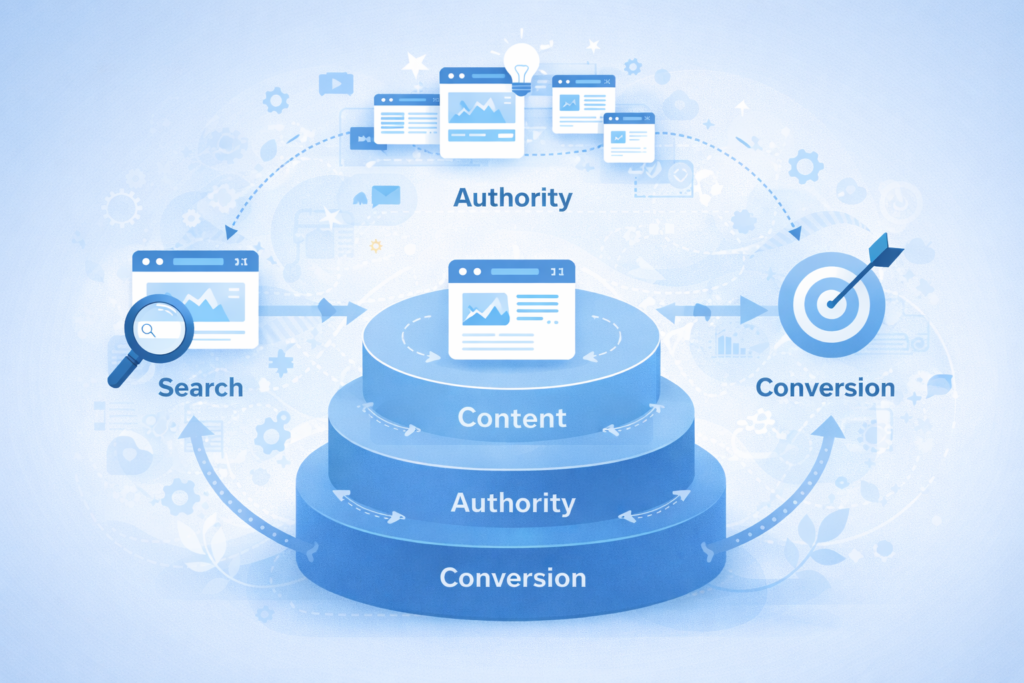
    true digital visibility system showing content search authority and conversion connected
    A real digital visibility system connects content, search, authority, and conversion into one growth loop.

    A true visibility system is not a collection of marketing activities. It is an integrated structure where discovery, trust, and conversion continuously reinforce each other.

    Most brands operate in campaigns.Visibility systems operate in cycles.

    In campaigns, attention spikes and disappears. In systems, attention compounds and stabilizes.

    A true visibility system has three defining characteristics.

    Continuous Discovery

    Content, search presence, and topic coverage ensure the brand is consistently findable.

    New audiences enter the ecosystem without active promotion because discovery channels remain active over time.

    Visibility no longer depends on posting frequency or advertising spend.

    Reinforced Authority

    Every piece of content connects to a larger expertise structure.

    Instead of isolated posts, the brand builds depth around core themes, perspectives, and solutions.

    This repetition with expansion strengthens credibility and recognition.

    Audiences begin to associate the brand with specific expertise domains.

    Guided Conversion

    Clear pathways exist from awareness to engagement.

    Content naturally leads toward deeper resources, offers, or next steps aligned with audience needs.

    Rather than forcing conversion, the system enables progression.

    When these three functions operate together, visibility shifts from effort-based to infrastructure-based.

    Discovery continues. Authority deepens. Conversion flows.

    This is what differentiates brands that remain visible from those that repeatedly restart attention.

    How Smart Businesses Build Discoverability

    Smart businesses do not chase attention.They engineer discoverability.

    Instead of relying on single channels or sporadic campaigns, they construct visibility ecosystems designed to be found repeatedly.

    Discoverability is built through structured presence, not volume.

    There are four core practices that consistently visible brands implement.

    Topic Ownership

    They define clear problem and solution territories they want to be known for.

    Content, messaging, and positioning repeatedly reinforce these themes.

    Over time, audiences associate the brand with specific expertise areas.

    The brand becomes searchable by topic, not just by name.

    Search-Aligned Content

    They create content aligned with real audience queries, needs, and decision stages.

    Educational, comparative, and solution-focused content ensures presence across the discovery journey.

    Search visibility compounds because content addresses enduring questions rather than temporary trends.

    Traffic becomes cumulative instead of episodic.

    Structured Content Networks

    Content pieces connect to each other intentionally.

    Articles reference related insights, deeper guides, and supporting perspectives.

    This internal connectivity strengthens both search signals and user understanding.

    Instead of scattered posts, the brand builds knowledge architecture.

    Consistent Signal Reinforcement

    Positioning, messaging, visuals, and expertise themes remain stable across platforms.

    Audiences encounter the same value promise repeatedly in different contexts.

    Recognition grows because signals are coherent, not fragmented.

    The brand becomes mentally retrievable even before search occurs.

    Discoverability does not emerge from activity.It emerges from structure.

    Brands that build discoverability systems reduce dependence on promotion and increase inevitability of discovery.

    They are not louder. They are easier to find.

    From Invisible to In-Demand: The Visibility Shift

    The transition from invisibility to demand does not happen through a single tactic.It occurs when visibility stops being accidental and becomes intentional.

    Invisible businesses rely on isolated actions.Visible businesses operate through integrated systems.

    This shift changes how audiences encounter and remember a brand.

    Instead of sporadic exposure, visibility becomes continuous. Instead of occasional trust, authority becomes stable. Instead of uncertain interest, demand becomes predictable.

    Over time, three noticeable changes emerge.

    Discovery Becomes Consistent

    The brand begins appearing in search results, recommendations, and content pathways regularly.

    New audiences encounter it without direct promotion.

    Visibility moves from effort-driven to presence-driven.

    Trust Builds Before Contact

    Prospects arrive already informed and confident.

    They have consumed content, understood positioning, and recognized expertise.

    The brand is perceived as a known authority rather than an unknown option.

    Demand Replaces Outreach

    Instead of chasing attention, attention begins to flow toward the brand.

    Inbound inquiries increase. Engagement deepens. Conversion friction decreases.

    The business shifts from seeking visibility to managing demand.

    This is the visibility shift.

    It does not require louder marketing or constant activity. It requires structural discoverability.

    When discovery, authority, and conversion integrate, invisibility dissolves — and demand becomes the natural outcome of presence.

    Conclusion: Visibility Is Not Promotion — It Is Infrastructure
    digital visibility infrastructure system building long-term discoverability
    True visibility comes from infrastructure, not promotion.

    Most businesses approach visibility as a promotional activity. They attempt to become visible by increasing output, frequency, or advertising.

    But visibility that depends on constant promotion is unstable by nature.

    True visibility behaves differently.

    It persists beyond individual campaigns. It compounds across content and time. It strengthens recognition and trust with each interaction.

    This persistence is not created by activity.It is created by infrastructure.

    A visibility infrastructure integrates discovery channels, authority signals, and conversion pathways into a coherent system.

    Once established, this system continues generating presence even when active promotion pauses.

    This is why some brands remain consistently discoverable while others repeatedly restart attention.

    Visibility, in its most durable form, is not marketing intensity. It is structural positioning.

    Businesses that recognize this shift stop chasing exposure and begin building discoverability.

    And when discoverability becomes structural, invisibility is no longer possible.

  • Digital Problem Solving Framework: How Businesses Fix Complex Problems Step-by-Step in 2026

    Digital Problem Solving Framework: How Businesses Fix Complex Problems Step-by-Step in 2026

    In 2026, businesses are no longer struggling because of a lack of tools—they struggle because they lack structured problem-solving systems. Digital transformation, automation, and AI are everywhere, yet many companies still face delays, confusion, and poor decision-making.

    This is where a digital problem solving framework becomes essential.

    A clear framework helps businesses identify problems accurately, choose the right digital solutions, and fix issues faster without wasting time or resources. In this guide, you’ll learn how modern businesses solve complex challenges using a practical, step-by-step digital problem solving approach.

    What Is Digital Problem Solving?

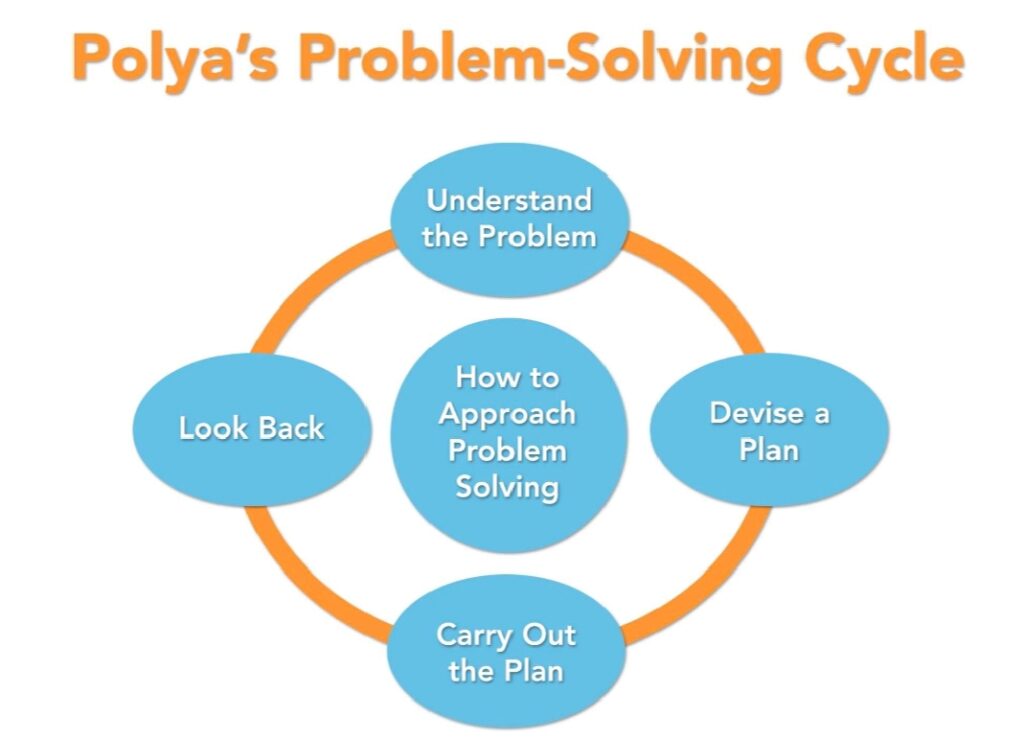
    Digital problem solving framework showing structured approach to business challenges

    A digital problem-solving approach is a structured system that helps businesses analyze problems, select digital tools, and implement solutions logically.

    Instead of reacting emotionally or guessing solutions, this framework focuses on:

    • Clear problem identification
    • Data-driven analysis
    • Smart digital tools
    • Measurable outcomes

    It turns problem solving into a repeatable process, not a one-time fix.

    Why Traditional Problem Solving No Longer Works

    Traditional methods rely heavily on:

    • Manual analysis
    • Personal opinions
    • Trial and error
    • Slow decision cycles

    In fast-changing digital environments, this leads to:

    • Missed opportunities
    • Higher costs
    • Delayed growth
    • Poor scalability

    A digital problem solving framework replaces guesswork with systems, data, and automation.

    Core Elements of a Digital Problem Solving Framework

    1.Problem Identification

    Most businesses fail at the first step—they treat symptoms, not root causes.

    Instead of asking:

    “Why are sales low?”

    Ask:

    Where exactly is the drop happening?

    Is it traffic, conversion, or retention?

    Which data confirms this problem?

    Clear problem definition saves time later.

    2. Data Collection and Analysis

    Digital problem solving depends on real data, not assumptions.

    Businesses should analyze:

    • Website analytics
    • User behavior
    • Conversion paths
    • Operational metrics

    Data shows what is broken—and what is working.

    3.Solution Mapping with Digital Tools

    Once the problem is clear, businesses map solutions using digital tools such as:

    • Automation platforms
    • Analytics dashboards
    • CRM systems
    • Workflow tools

    The goal is not to use more tools—but to use the right tools for the right problem.

    4.Implementation and Testing

    Every solution should be tested before full rollout.

    Best practices include:

    • Small-scale implementation
    • Performance tracking
    • A/B testing where possible
    • Continuous feedback

    Testing prevents costly mistakes.

    5.Optimization and Continuous Improvement

    Digital problem solving never ends.

    Businesses should:

    • Review performance regularly
    • Improve weak areas
    • Adapt to new trends
    • Update systems as needed

    This creates long-term resilience.

    Common Business Problems This Framework Solves

    A digital problem solving framework is used to fix:

    • Slow workflows
    • Poor customer experience
    • Low conversion rates
    • Inefficient marketing funnels
    • Data mismanagement
    • Scaling challenges

    Instead of patching issues, businesses build strong systems.

    Tools Used in Digital Problem Solving

    Analytics, automation, and project management tools used in digital problem solving

    Digital problem solving relies on the right combination of tools rather than random software usage. These tools help businesses analyze problems, automate tasks, and make informed decisions.

    Commonly used tools include:

    • Analytics tools to track performance and user behavior
    • Automation platforms to reduce manual and repetitive work
    • Project management tools to streamline workflows
    • CRM systems to manage customer data and interactions
    • AI-assisted tools to identify patterns and predict outcomes

    The goal is not to use many tools, but to choose tools that directly solve the identified problem.

    Real-World Examples of Digital Problem Solving

    Real world examples of businesses using smart digital solutions to improve efficiency

    Businesses across industries use digital problem solving to fix everyday challenges.

    For example:

    • An ECommerce brand uses analytics to identify checkout issues and improve conversions
    • A service business automates customer support to reduce response time
    • A company uses dashboards to monitor real-time performance and adjust strategy
    • Teams use cloud tools to improve collaboration and productivity

    These examples show how structured digital problem solving leads to measurable improvements.

    Mistakes Businesses Make While Solving Problems

    Many businesses fail at digital problem solving due to common mistakes, such as:

    • Jumping to solutions without defining the real problem
    • Relying on assumptions instead of data
    • Using complex tools for simple problems
    • Ignoring testing and performance tracking
    • Treating digital solutions as one-time fixes

    Avoiding these mistakes helps businesses save time, money, and effort.

    How Digital Problem Solving Supports Long-Term Growth

    Digital problem solving is not just about fixing immediate issues—it helps build sustainable systems.

    When businesses use structured digital problem solving:

    • Processes become more efficient
    • Decisions improve with data support
    • Systems scale easily with growth
    • Teams adapt faster to change

    This approach creates a strong foundation for long term digital growth and stability.

    Final Thoughts

    A digital problem solving framework helps businesses think clearly, act smartly, and grow consistently. It transforms problem solving from chaos into a system.

    Businesses that master this approach don’t just solve problems—they build digital resilience and long-term success.

  • Smart Digital Solutions: How Businesses Solve Problems Faster in 2026

    Smart Digital Solutions: How Businesses Solve Problems Faster in 2026

    Smart digital solutions help businesses simplify complex problems, improve efficiency, and make better decisions using technology and data. In today’s fast-paced digital environment, companies face challenges such as slow workflows, poor data management, and increasing competition. By adopting smart digital solutions, businesses can solve problems faster, reduce costs, and build systems that support long-term growth.

    What Are Smart Digital Solutions?

    Digital transformation strategies that help businesses improve decision-making and efficiency

    Smart digital solutions are technology-driven systems designed to solve real business problems in a structured and efficient way. These solutions combine digital tools, automation, data analysis, and strategic thinking to improve how businesses operate.

    Unlike traditional methods that rely heavily on manual work, smart digital solutions focus on:

    • Automation
    • Data-driven decision making
    • Scalable digital systems
    • Practical and measurable outcomes

    They are not just software tools, but complete problem-solving systems.

    Common Business Problems Smart Digital Solutions Fix

    Many businesses struggle with the same digital challenges. Smart digital solutions help address problems such as:

    • Slow and inefficient processes
    • Manual and repetitive tasks
    • Poor visibility into business data
    • Weak decision-making systems
    • Difficulty scaling operations
    • Inconsistent customer experiences

    By solving these issues, businesses can operate more smoothly and confidently.

    Types of Smart Digital Solutions

    Smart digital solutions come in different forms depending on business needs. Some common types include:

    Automation Solutions

    These reduce manual work by automating repetitive tasks such as data entry, reporting, and customer communication.

    Data and Analytics Solutions

    These help businesses collect, analyze, and understand data to support better decisions and performance tracking.

    Cloud-Based Systems

    Cloud-based systems allow teams to access systems from anywhere, improve collaboration, and scale operations easily.

    AI-Assisted Tools

    AI tools support smarter decision-making by identifying patterns, predicting outcomes, and optimizing processes.

    How to Choose the Right Smart Digital Solution

    Choosing the right digital solution is critical for success. Businesses should follow a structured approach:

    • Clearly identify the problem
    • Define business goals and expected outcomes
    • Choose solutions that match current and future needs
    • Test and measure results before full implementation
    • Continuously optimize based on performance

    The best solution is always the one that solves the real problem, not the most complex one.

    Real-World Use Cases of Smart Digital Solutions

    Real-world examples of businesses using smart digital solutions to solve operational problems

    Smart digital solutions are widely used across industries. Examples include:

    • Automating customer support systems
    • Using dashboards for real-time performance tracking
    • Improving inventory management with data insights
    • Streamlining workflows using cloud tools

    These solutions help businesses save time, reduce errors, and improve overall efficiency.

    Smart Digital Solutions vs Traditional Methods

    Traditional problem-solving methods often rely on manual processes and guesswork. In contrast, smart digital solutions use structured systems, data, and automation.

    Smart digital solutions offer:

    • Faster execution
    • Better accuracy
    • Scalable growth
    • Improved decision quality

    This makes them more effective in today’s competitive digital landscape.

    Why Smart Digital Solutions Support Long-Term Growth

    Smart digital solutions are not just short-term fixes but part of a broader digital transformation strategy. They help businesses build strong foundations for long-term success by improving efficiency, adaptability, and strategic planning.

    When combined with a structured digital problem-solving approach, these solutions allow businesses to continuously improve and respond to changing market conditions.

    Final Thoughts

    Future of smart digital solutions driving innovation and long-term business growth

    Smart digital solutions play a critical role in helping modern businesses solve problems faster and grow sustainably. By focusing on the right tools, strategies, and systems, businesses can turn challenges into opportunities and build a smarter digital future.

  • Digital Problem Solving: 7 Smart Strategies for Modern Businesses

    Digital Problem Solving: 7 Smart Strategies for Modern Businesses

    Digital problem solving helps businesses identify challenges and analyze data effectively.

    By using smart tools and structured strategies, companies can improve decision-making and long-term performance.

    In today’s digital environment, businesses face complex challenges

    To understand the complete step-by-step approach, explore our our Digital Problem Solving Framework. That require structured and data-driven solutions. Digital problem solving focuses on using technology, analytics, and logical frameworks to understand root causes, improve decision-making, and create scalable solutions that support long-term business growth.

    What Is Digital Problem Solving?

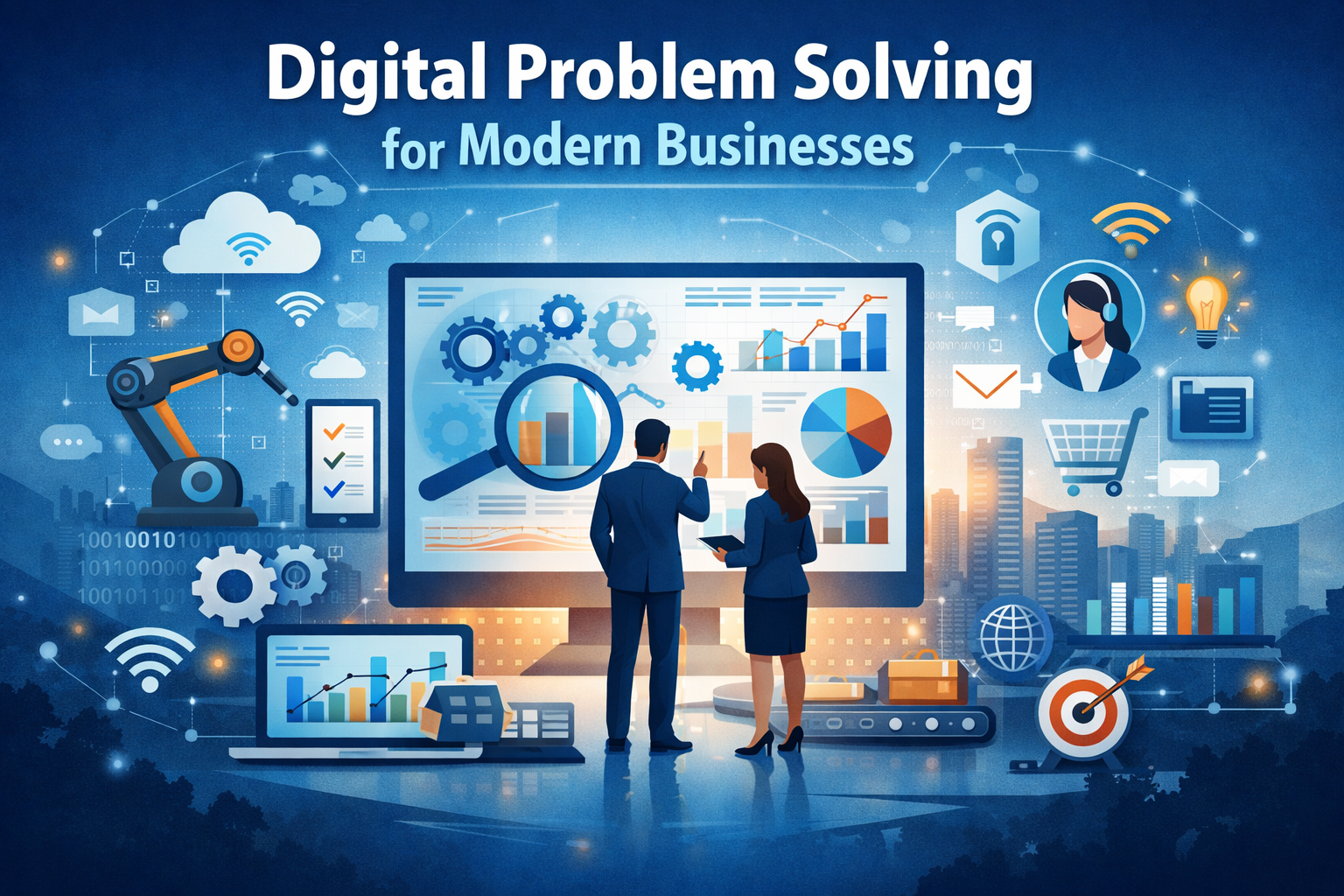
    Digital problem solving process for modern businesses using smart digital solutions

    Smart digital solutions is the process of identifying business challenges and addressing them through digital tools, data analysis, and structured frameworks. Instead of relying on guesswork or manual methods, it uses technology to understand root causes, optimize processes, and implement smarter solutions. This approach enables businesses to make informed decisions, improve efficiency, and adapt quickly to changing market demands.

    Common Business Problems That Need Smart Solutions

    Modern businesses face a range of challenges that cannot be solved effectively with traditional methods alone. Common problems include inefficient workflows, lack of real-time data, poor customer experience, slow decision-making, and scalability issues. Many businesses also struggle with disconnected systems, manual processes, and an inability to adapt to rapid digital changes. Smart digital solutions help businesses identify these gaps, streamline operations, and create systems that are more agile, data-driven, and future-ready.

    Core Pillars of Smart Digital Solutions

    Smart digital solutions are built on a few foundational pillars that work together to solve business problems effectively. Ignoring any one of these pillars can limit results, even if the right tools are in place. Successful digital problem solving requires a balanced approach that combines strategy, technology, and continuous improvement.

    Strategy & Planning

    Every smart digital solution starts with a clear strategy. Businesses must define their goals, understand their challenges, and align digital efforts with long-term objectives. Strategic planning ensures that technology is used purposefully rather than as a quick fix.

    Technology & Automation

    Technology enables businesses to automate repetitive tasks, improve efficiency, and reduce human error. Automation tools help streamline workflows, save time, and allow teams to focus on higher-value activities that drive growth.

    Data & Insights

    Data-driven decision-making is a critical pillar of digital problem solving. By analyzing performance data, user behavior, and operational metrics, businesses gain insights that help them identify issues early and optimize processes continuously.

    User Experience

    Smart solutions must prioritize user experience, whether for customers or internal teams. Systems that are intuitive, accessible, and responsive improve adoption, engagement, and overall effectiveness.

    Continuous Optimization

    Digital solutions are not one-time implementations. Continuous testing, monitoring, and optimization ensure that systems evolve with changing business needs and market conditions.

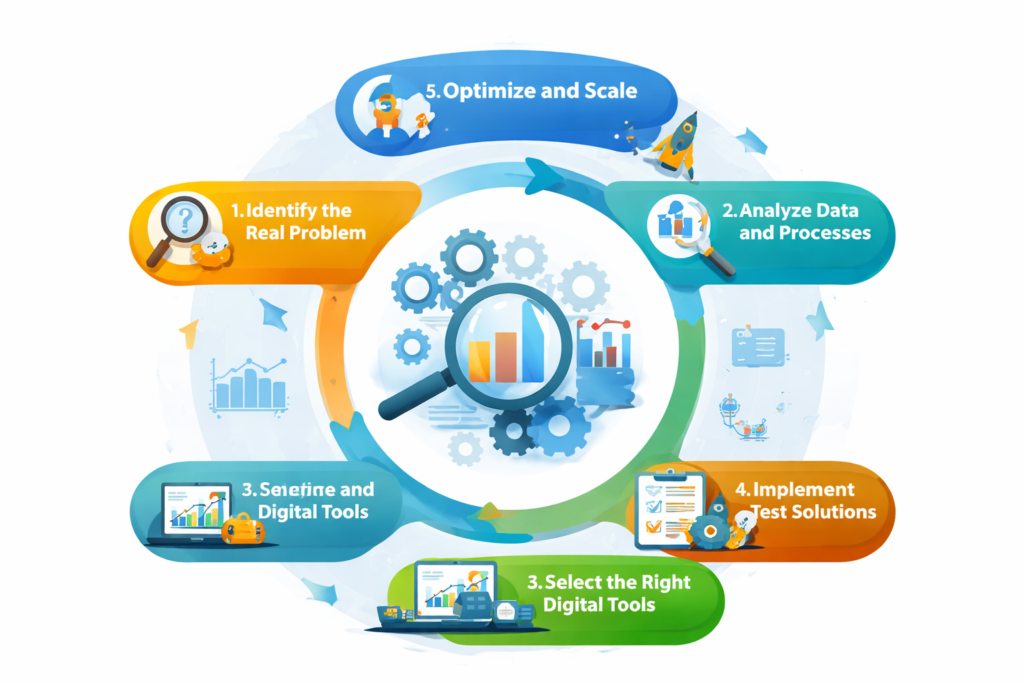
    Digital Problem Solving Framework (Smart Solve Method)

    Digital problem solving framework for modern businesses using a structured smart solve method

    A structured framework helps businesses approach problems logically instead of reacting impulsively. The Smart Solve Method focuses on understanding issues deeply and implementing digital solutions that are scalable and measurable.

    1. Identify the Real Problem

    The first step is to clearly define the problem. Many businesses treat symptoms instead of root causes. Identifying the real issue ensures that digital solutions address the core challenge rather than temporary gaps.

    2. Analyze Data and Processes

    Once the problem is identified, businesses must analyze existing data, workflows, and systems. This step reveals inefficiencies, bottlenecks, and opportunities for improvement using digital tools and insights.

    3. Select the Right Digital Tools

    Not every tool fits every problem. Choosing the right technology—whether automation, analytics, or collaboration tools—ensures solutions remain effective and aligned with business goals.

    4. Implement and Test

    Solutions Implementation should be gradual and measurable. Testing solutions on a smaller scale helps businesses evaluate performance, reduce risk, and make adjustments before full deployment.

    5. Optimize and Scale

    Digital problem solving is an ongoing process. Continuous optimization allows businesses to refine solutions, adapt to changes, and scale successful systems for long-term growth.

    Real-World Examples (Conceptual)

    Digital problem solving using smart technologies, data analysis dashboards, automation tools, and AI-driven business solutions”

    Digital problem solving can be applied across different business areas, regardless of industry size or type. For example, a growing business struggling with manual operations can use automation tools to streamline workflows, reduce errors, and save time. By digitizing repetitive tasks, teams can focus more on strategy and innovation rather than daily operational issues.

    Another common example is customer experience improvement. Businesses facing low engagement or poor retention often use data analytics and digital platforms to understand user behavior. These insights help optimize websites, personalize communication, and improve overall user journeys, leading to stronger relationships and higher satisfaction.

    In decision-making, many businesses rely on assumptions instead of real data. Digital problem solving introduces dashboards, performance tracking, and reporting systems that provide real-time insights. This enables leaders to make informed decisions, respond faster to challenges, and plan future growth with confidence.

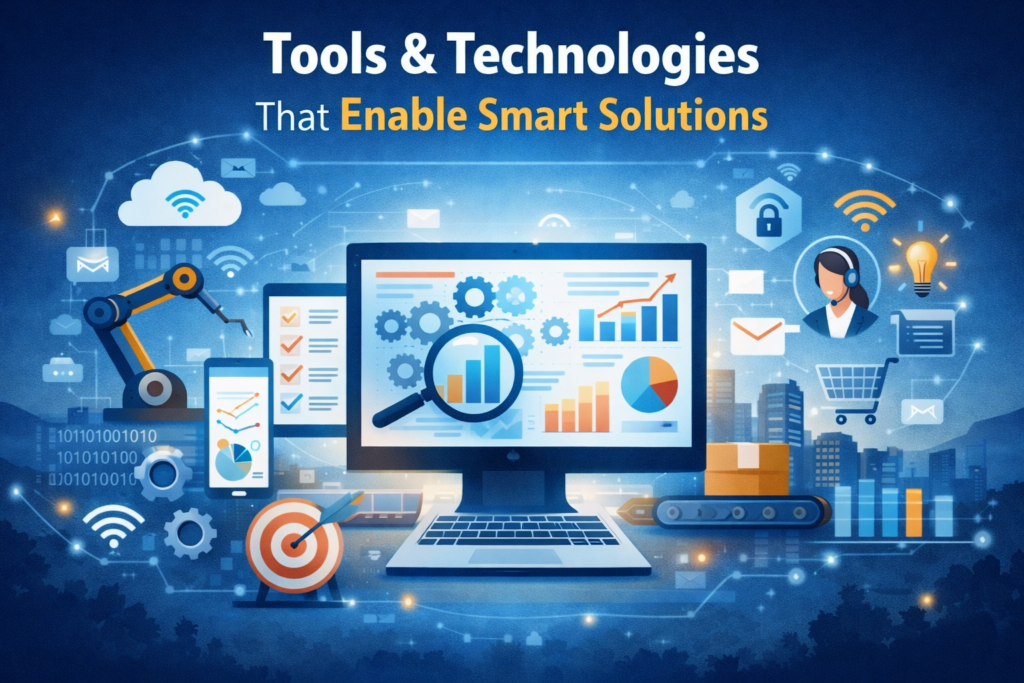
    Tools & Technologies That Enable Smart Solutions

    Digital tools and technologies enabling smart problem solving and automation

    Digital problem solving relies on the right mix of tools and technologies to turn strategy into action. These tools help businesses automate processes, analyze data, and improve collaboration across teams. Instead of using technology randomly, smart solutions focus on selecting tools that directly address specific business challenges.

    Automation platforms reduce manual work and increase efficiency by streamlining repetitive tasks. Analytics tools provide valuable insights into performance, customer behavior, and operational gaps. Collaboration and project management tools help teams stay aligned, improve communication, and execute solutions more effectively. Together, these technologies create a digital ecosystem that supports smarter decision-making and scalable growth.

    Choosing the right tools is not about adopting every new technology but about using solutions that integrate well with existing systems and support long-term business objectives.

    Why Long-Term Digital Strategy Matters

    A long-term digital strategy ensures that problem solving efforts remain consistent, scalable, and aligned with business goals. Short-term fixes may deliver temporary relief, but they often fail to address underlying issues or support sustainable growth. A strategic approach helps businesses build systems that evolve with changing market conditions and customer expectations.

    By focusing on long-term digital planning, businesses can improve efficiency, reduce operational risks, and make better use of technology investments. A clear strategy also enables teams to measure progress, learn from data, and continuously optimize solutions over time. Ultimately, a long-term digital strategy transforms problem solving from a reactive task into a proactive growth engine.

    Final Thoughts: Building Smarter Businesses

    Digital problem solving is no longer optional for modern businesses—it is a necessity. As technology continues to shape how businesses operate and compete, adopting a structured, digital-first approach to problem solving becomes essential for long-term success. Businesses that invest in smart solutions are better equipped to adapt, innovate, and grow sustainably.

    By combining strategy, technology, data, and continuous optimization, digital problem solving helps businesses move beyond short-term fixes and build resilient systems. A thoughtful digital approach not only solves existing challenges but also prepares businesses for future opportunities in an increasingly digital landscape.